7/30/2025 · robusta
The Rise of Hainan Coffee: Exploring Opportunities for Specialty Robusta
If you haven't yet experienced the refined sweetness of a well-prepared Robusta coffee, it's time to start paying attention to Hennan.
The Rise of Hainan Coffee:Exploring the Opportunities for Specialty Robusta Through Green Coffee and Roasting CompetitionsWritten by Jiang Chengzhe
If you haven’t yet experienced the refined sweetness of a well-prepared Robusta coffee, it’s time to start paying attention to the evolving coffee landscape in Hainan.
In the past, coffee professionals who sought delicate and nuanced flavors often steered clear of Robusta. However, in the commercial green coffee market, Robusta has long held an important position due to its lower price point and higher body compared to Arabica.
Hainan Province is the most significant Robusta-producing region in China. Located between 18°10′N and 20°10′N latitude, Hainan has a low-latitude tropical monsoon climate, characterized by year-round high temperatures and humidity. These conditions are generally unsuitable for Arabica cultivation but are highly favorable for growing Robusta, which is commonly cultivated at low altitudes ranging from sea level up to 250 meters.
Naturally, readers may wonder: “So, what does Hainan Robusta actually taste like?” (Question 1)
For those in the coffee business, an even more pressing question might be: “Can offering high-quality Hainan coffee bring tangible benefits to my brand?” (Question 2)
This article will address these two questions, examining the current state of Robusta production in Hainan and exploring the potential future trends that could shape its role in the specialty coffee market.
1. Hainan’s Robusta Can Surprise You with Tropical Fruit-like Flavors!
My first encounter with Hainan Robusta dates back to 2015, when I visited the region to taste the local coffee. I was accompanied by Mr. Han Huaizong, the author of Coffeeology. During that visit, we were deeply impressed by the quality of coffee produced in Baisha County. It had a sweet, clean, and full-bodied profile, completely free from the rubbery off-flavors often associated with lower-quality Robustas. While it didn’t yet exhibit the bright floral and fruity notes typical of top-tier Arabicas, it was already a genuinely enjoyable cup of coffee.
Since then, I have had the privilege of serving as a judge for Hainan Robusta siphon competitions, and from 2022 onwards, as the head judge for both the Hainan Xinglong Robusta Roasting Competition and the Green Coffee Competition. Almost every year, Mr. Fu Changming, the Secretary-General of the Hainan Coffee Association, sends me green coffee samples from various micro-regions to roast and cup. This ongoing experience has not only given me a comprehensive understanding of the overall profile of Hainan coffee but also revealed the remarkable potential of Robusta from this region.
Through the 2024 Hainan Robusta Green Coffee Competition, we now have an opportunity to glimpse some of the delightful surprises that Hainan coffee can offer.
To begin, let’s take a look at the key flavor descriptors from the 2024 Hainan Robusta Green Coffee Competition champion lot:
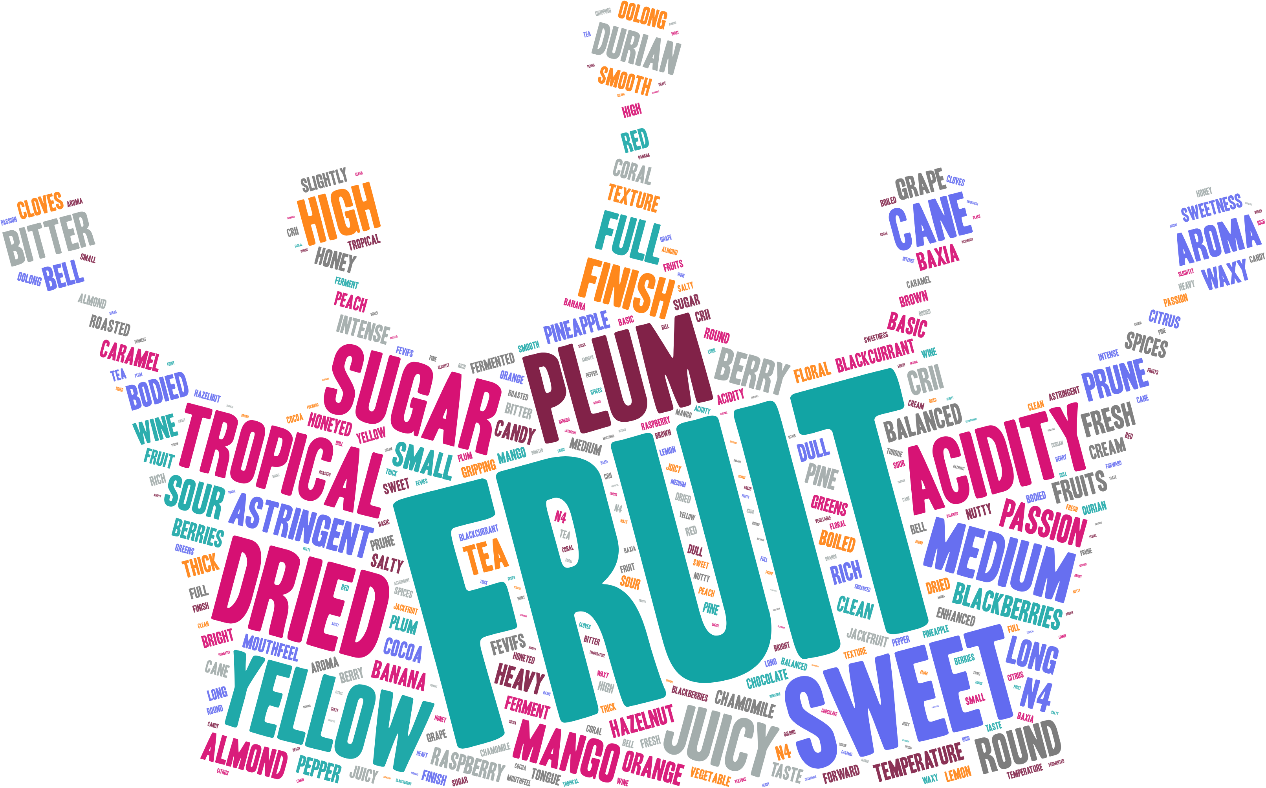
Natural-Processed Category Champion
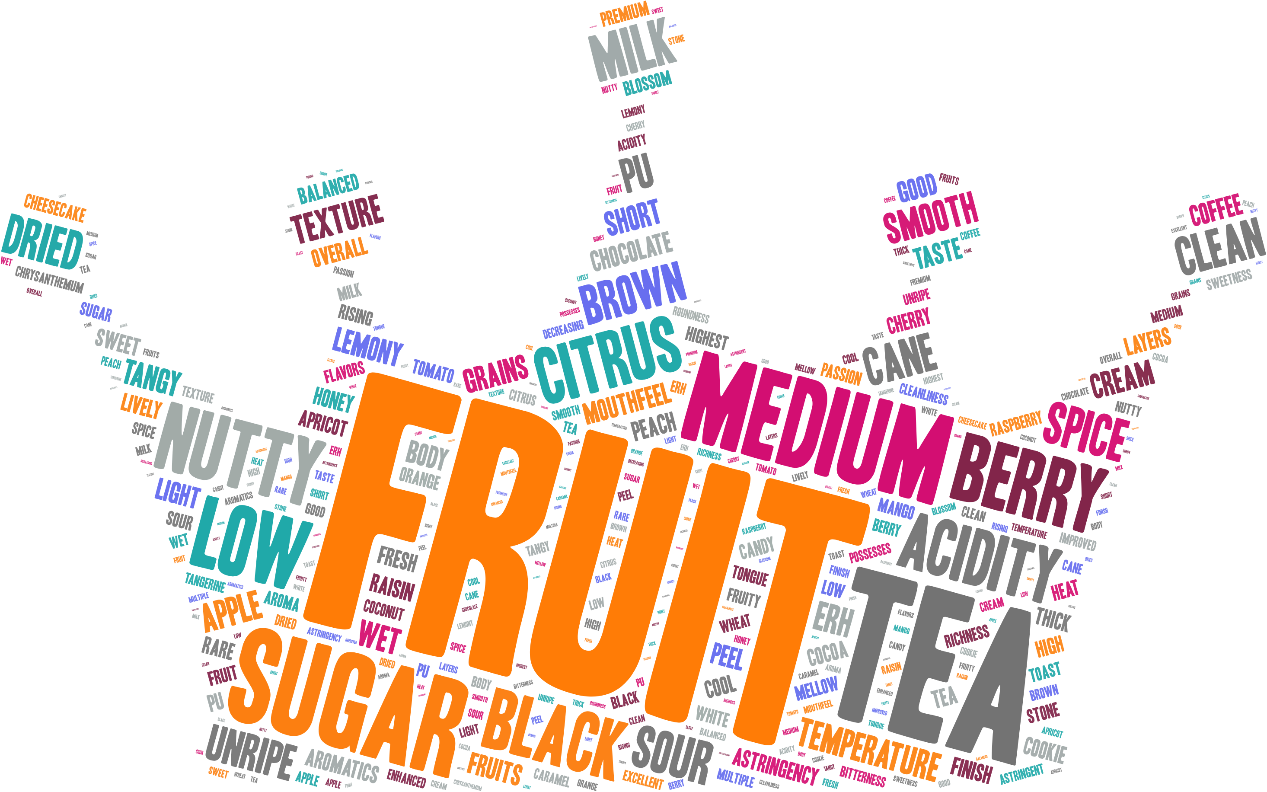
Honey-Processed Category Champion
It’s not difficult to see from the jurors’ tasting notes that both coffees delivered a rich sensory experience reminiscent of tropical fruits. In terms of scores, using the Q Robusta Grader scale, both finalist lots achieved an impressive average score above 84.5 points (84.5 for the natural-process champion and 84.8 for the honey-process champion). This suggests that there is still considerable room for improvement—much like Catimor from Yunnan, which at higher elevations can also reach an average Q Grader score of around 85. However, breaking through that ceiling will require intensive farm management, combined with favorable environmental conditions and precise timing.
If these two champion coffees represent the pinnacle of Hainan’s coffee flavor profile in 2024—and are thus rare, competition-driven lots—what, then, can be expected from the coffees just below the top tier?
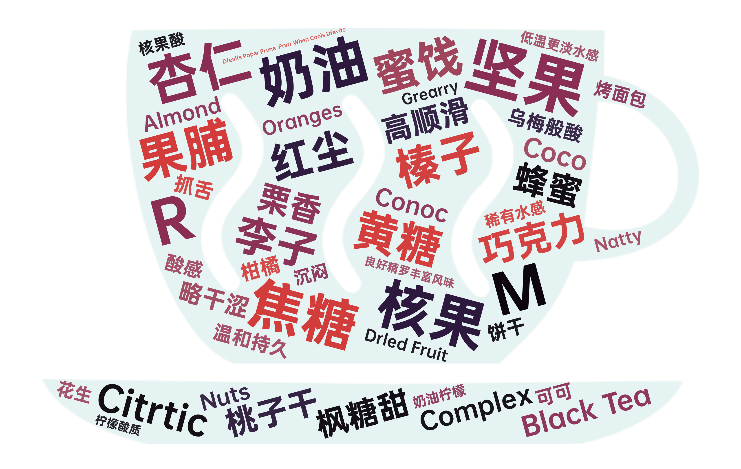
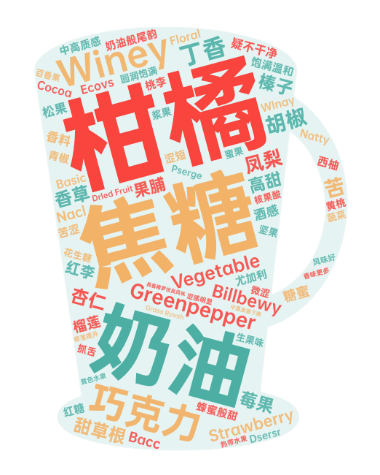
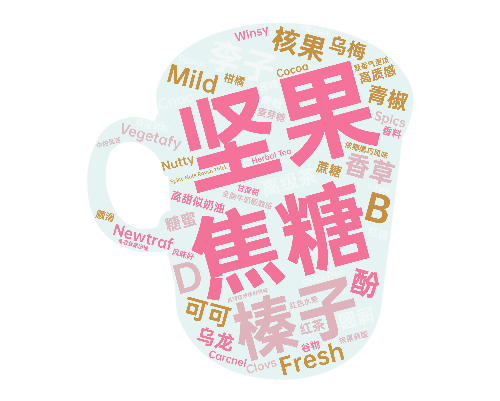
Here are the flavor descriptors from the second- to sixth place lots:
Natural-Processed Category

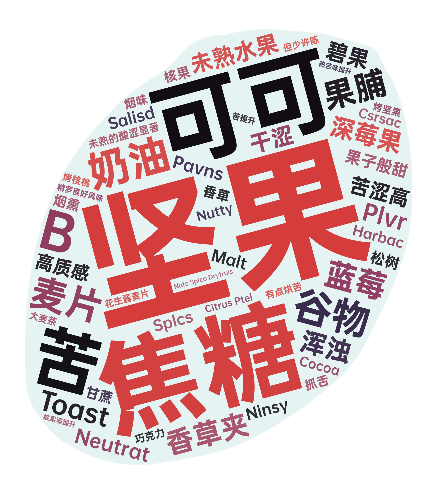
Honey-Processed Category

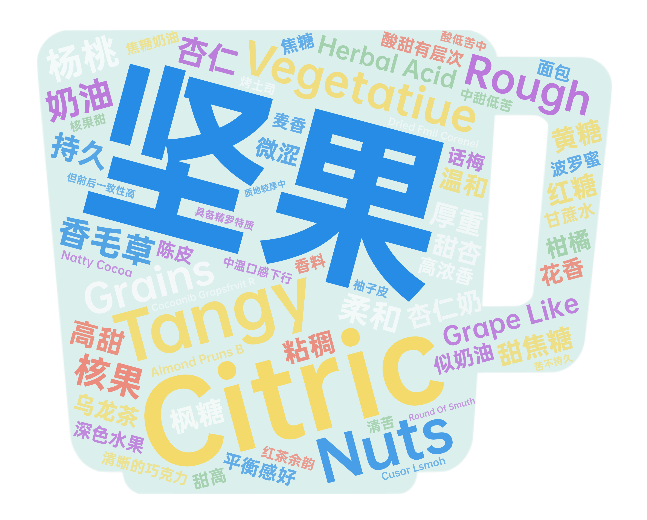


From the key flavor descriptor clouds, it is evident that the second- to sixth place coffees in both the natural-process and honey-process categories exhibit quite distinct flavor profiles compared to the champions. Notes of nuts, stone fruits, and chocolate are particularly prominent, often dominating the cup. Some of the more impressive samples even revealed a noticeable citrus note and a subtle hint of berry-like character.
When comparing the flavor characteristics of these coffees to typical Arabica-growing regions, they most closely resemble the profiles found in Brazil, El Salvador, and Nicaragua—regions known for their smooth, nutty, and chocolaty flavor profiles.
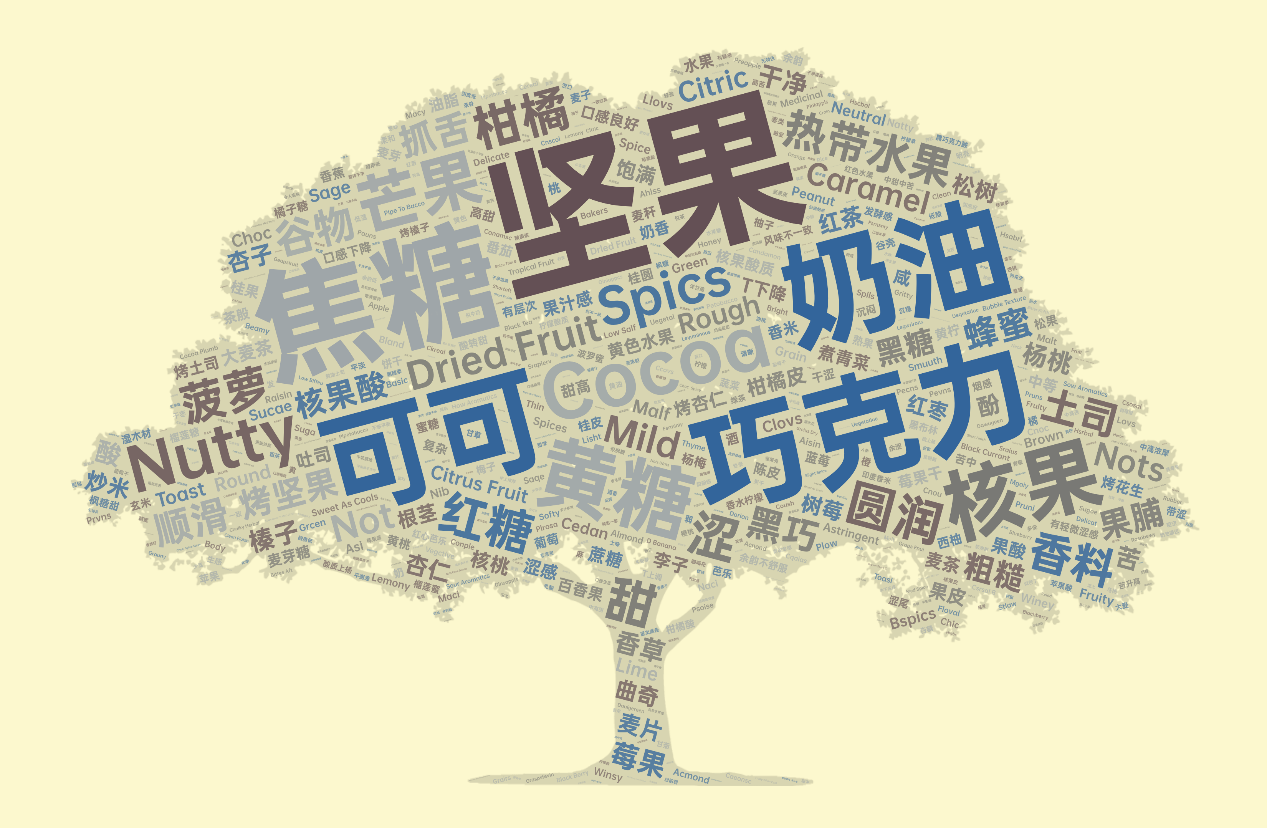
Perhaps even more significant is the fact that our attention should not only focus on the top six coffees but also on those that did not make the final cut, yet represent the more common commercial quality found in the market. So, what do their flavor descriptors reveal?

From this flavor descriptor cloud, it’s clear that Hainan Robusta generally features a dominant profile of creamy, caramel, nutty, and chocolate notes. Among the higher-quality lots, a clean and rounded mouthfeel was particularly appreciated.
(Appendix: Score Table for the Natural-Processed and Honey-Processed Categories)
2. Exploring Hainan Robusta Through Real-Life Scenarios
Based on the graphs and data presented above, we now have an initial answer to the question: “What does Hainan coffee actually taste like?” However, the notion of flavor and its value is far from straightforward. To more fully address this question, it’s important to incorporate the concept of context. Here, I have summarized three primary scenarios:
2.1 Old Papa Tea Houses and Hainan’s Intangible Cultural Heritage Traditional Coffee2.2 Hainan Souvenir Market2.3 Specialty Cafés and Foodservice Channels
2.1 Old Papa Tea Houses and Hainan’s Intangible Cultural Heritage Traditional Coffee
No trip to Hainan is complete without a visit to an Old Papa Tea House, a beloved local café culture. In this setting, coffee is typically brewed in a large metal pot, producing a strong and concentrated brew. Often, sweetened condensed milk is added to enhance the drinking experience.
A cup usually costs between CNY 10 and 20 ($1.39-2.79), and the core profile is thick, bitter, and aromatic. If we were to describe the flavor in sensory terms, it would likely include notes of dark brown sugar, dark chocolate, smokiness, and roasted walnuts.
Interestingly, no one here is concerned with whether the coffee is “specialty” or not. Intuitively, this thick, sweet coffee pairs perfectly with the Chinese-style pastries and snacks served in Old Papa Tea Houses—pineapple buns, char siu buns, rice cakes, egg tarts, and the like. As long as the coffee isn’t overly burnt or moldy, most consumers are quite satisfied with it.
That said, in this particular context, the most commonly used beans are often not locally grown Robusta. Instead, imported Robusta from Vietnam or Uganda is frequently chosen to keep costs down. Only a small number of shops that own their own farms are more likely to use locally sourced coffee.
A few traditional, quality-conscious establishments may still employ the time-honored local roasting method—part of Hainan’s intangible cultural heritage(e.g. Xinglong Qiao Coffee produced by Wanning Xinglong Kangli Coffee Factory)—enhancing the coffee’s body and flavor by adding sugar, a pinch of salt, and butter during the roasting process.
2.2 Hainan’s Souvenir Market
As a major tourism destination, Hainan’s souvenir market inevitably includes coffee as one of its key offerings, which can be broadly divided into instant coffee products and roasted coffee bean products. Typically, instant coffee and low-cost roasted coffee beans with unclear labeling rarely contain locally grown coffee. The reason is simple: the production cost of Hainan coffee green beans is often even higher than that of Yunnan Arabica coffee (due to higher labor, land, and processing costs). For example, in 2025, the average price for Yunnan AA washed Arabica might be around CNY65/kg ($9.06/kg), while Hainan Robusta green beans would cost at least CNY80/kg ($11.15/kg). For these low-cost products, using locally sourced coffee simply isn’t viable.
That said, this doesn’t mean there aren’t any local souvenir coffee products available. Coffee, as both a specialty agricultural product and a cultural icon, is still featured in the offerings of several local brands that prioritize product differentiation and transparency. For instance, Mushan Coffee from Qiongzhong, Xinglong Coffee and TINI CHELLONA from Xinglong, as well as Fushan Coffee, all highlight coffee grown and processed on their own farms as their core selling point.
However, in this consumption scenario, consumers often do not place high demands on the cup profile itself. Instead, they are more interested in the stories, origin, and distinctive features hidden beneath the products—qualities that, when well communicated, can earn consumer approval. Unless a brand is particularly driven to promote high-quality, distinctive flavors, most souvenir coffees tend to have a relatively low flavor intensity, dominated by notes reminiscent of roasted barley tea, black tea, nuts, and a general coffee-like taste.
2.3 Specialty Cafés and Foodservice Channels
In Hainan, there are indeed consumers who are sensitive to flavor and who aim to showcase the unique characteristics of local coffee. These cafés and operators carefully select high-quality, distinctive local coffees to share with their customers. In this setting, you’re more likely to encounter some truly unique Hainan coffees—for example, naturally processed Robustas with pleasant fermented berry notes, or washed Robustas with a clean green-tea-like character.Examples of such establishments include Blooming Tree Coffee (Chinese spell: shù shàng yǒu huā) in Haikou, Longyuan Café in Xinglong, and Haishanli (Sea and Mountain) Café in Fushan, among others.
Overall, the most common scenario for local Hainan residents to enjoy coffee remains the Old Papa Tea houses or traditional Southeast Asian–style cafés. Here, the typical cup profile—heavy-bodied, bitter-sweet, and low-acid—has become the prevailing perception of Robusta. While these coffees may not emphasize flavor diversity or the refined acidity and sweetness sought after by specialty enthusiasts, they enjoy a substantial consumer base. This widespread acceptance has also laid a solid foundation for Hainan’s local Robusta coffee market.
Conversely, the broader trend in the coffee community is still toward more refined and distinctive coffees. That’s why, through competitions and frequent exchanges, we encourage producers to invest in cultivating and processing high-quality Robusta. This approach not only fosters differentiated products but also helps prepare for unforeseen market shifts.
However, it’s important to note that these products are not yet mainstream commodities, and their production costs are relatively high. As such, I do not recommend diving headfirst into large-scale specialty Robusta production without first assessing the growth of consumer demand.
3. The Promising Future of Hainan Coffee
Through the exploration of the above scenarios, we have also found some insights that help answer a second key question: “Can offering high-quality Hainan coffee bring tangible benefits to my brand?”
To address this question, I’d like to share a case study based on the impact of a competition I designed: the Xinglong Robusta Coffee Roasting Championship.
Since 2022, I have had the privilege of being invited by the Xinglong Tropical Botanical Garden and Xinglong Tropical Agriculture Science & Technology Park to design an exclusive Robusta coffee roasting competition specifically for Hainan. Having been both the Taiwan Champion and the World Runner-Up in the World Coffee Roasting Championship (WCRC), I deeply understand the competition system. However, I also believe that the WCE’s existing competition framework sometimes lacks sufficient market-oriented considerations. Hence, I personally feel that roasting competitions should be structured to align more closely with market demands. For this reason, we have continuously refined the rules and value proposition of the competition year by year.
In the latest 2024 competition rules, we introduced several innovative features:
Green Bean Purchase Mechanism: Competitors were required to purchase their competition beans on-site using a virtual green bean voucher, after performing a live cupping evaluation.(This tests the roaster’s fundamental knowledge of green bean quality.)
Digital Cupping System: We incorporated a mini-program-based cupping system with a comprehensive CATA (Check-All-That-Apply) flavor descriptor table.(Historically, flavor descriptors were often incomplete, but a robust descriptor list makes sensory data easier to record and analyze.)
Sensory Description Consistency Scoring: We established an entirely new scoring logic that evaluates the consistency between a roaster’s described flavors and what is actually perceived in the cup, awarding points based on the jury’s agreement levels.
In the post-competition debrief, these three new features were consistently cited by participants as the most memorable highlights—elements that not only brought potential buyers of Hainan coffee into a new sensory experience but also helped roasters who understood the commercial coffee market to stand out through competition.
Through this competition, we observed that each roaster—guided by their own sensory understanding—unlocked diverse and distinctive flavors from Hainan coffee through various roasting profiles. These flavor profiles may not align with what local consumers are accustomed to drinking, but they are extremely valuable in discovering new markets for Hainan coffee and in reshaping perceptions of the Robusta variety!
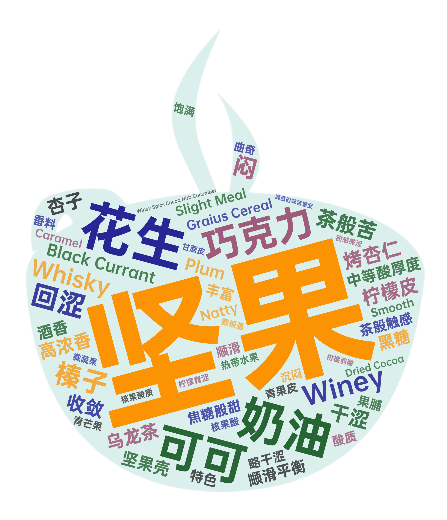
Below are the flavor descriptions for the top three and the lowest-scoring coffees in the finals:
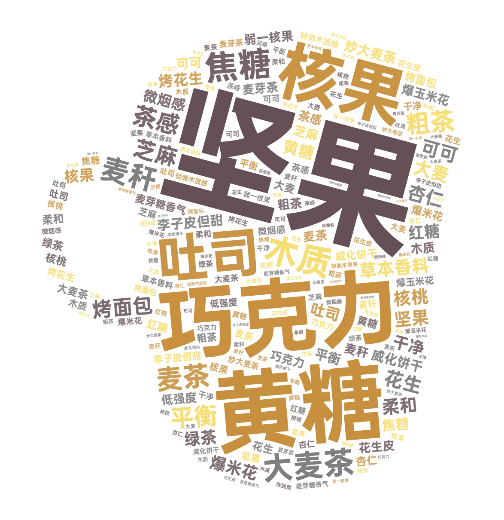

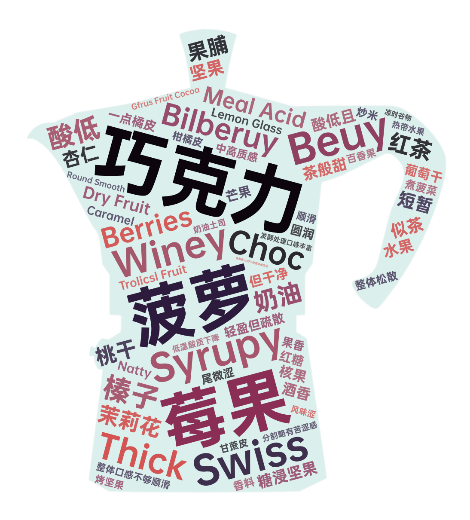
The top-scoring in the finals (83.56)
The second-place in the finals (82.66)
The third-place in the finals (82.16)

The lowest score in the finals (78.22)
Note:The above scores are not directly related to the Q or R grading scales and their sensory interpretations. The competition uses the following scoring criteria:
The maximum score is 100 points, assessed across eight evaluation criteria: Cleanliness, Flavor, Salty/Acidity Mouthfeel, Bitterness/Sweetness Mouthfeel, Body, Aftertaste, Balance, and Sensory Description Accuracy, each scored out of 10 points. Additionally, there are four types of roasting defects: Underdevelopment, Overdevelopment, Baking, and Scorching; each detected defect results in a 2-point deduction.
The final sensory score is calculated using the following linear conversion formula and rounded to two decimal places:
The coffees featured in the final round of this competition were the same green coffee lots that had placed in the top 20 of the earlier green coffee competition. Competitors were required to “bid” for these lots during the event and then blend and roast them according to their understanding of the sensory preferences of the professional judging panel.
Even without focusing on the scores, the flavor descriptors alone reveal clear patterns: coffees with floral and fruity notes tend to be more appealing, while those highlighting straw, roasted barley tea, and nutty profiles usually score lower. Ironically, in the market, it is often these lower-scoring coffees that achieve higher sales volumes and broader distribution.
This has led some to argue that such competitions are of limited relevance to the coffee trade or are disconnected from local consumer preferences—claims that competitions are “out of touch” or “don’t reflect what local drinkers enjoy.”
However, wise judgment recognizes that competitions inherently have marketing objectives and strategic intent. In fact, the Xinglong Robusta Coffee Roasting Competition, now running for three consecutive years, has already created significant new momentum:
It is the first large-scale roasting competition in China dedicated exclusively to Robusta coffee.
With each event drawing at least 200 participants, and if each participant shares their experience with at least five peers, this competition introduces more than 1,000 new coffee professionals each year to Hainan-grown Robusta.
Media coverage surrounding the event has generated tens of thousands of impressions, substantially increasing exposure for Hainan coffee and supporting its development in the specialty segment.
Beyond these figures, we have practical examples that illustrate the market potential of Hainan Robusta. My own brand, ZHE’S Coffee, has successfully marketed Hainan Robusta in mainland China. Off-island jury Hou Ye has also incorporated Hainan Robusta into Algebraist Coffee outlets in Suzhou and Shanghai. Competitors frequently bring the coffees they roasted for the competition back to their hometowns to host tasting events or share with friends.
Additionally, several of my SCA class students in Hainan—both producers and processors—have reported that since the competition began, their coffees have attracted increasing interest and purchases from outside the island.
These examples make it clear: while fine/premium/specialty Robusta may not yet dominate the broader consumer market, it is highly appreciated and sought after by those who care about quality, origin character, and cultural significance.
Now, we should be able to answer the second question: “Can offering high-quality Hainan coffee bring tangible benefits to my brand?”
The answer is a resounding YES!
Thanks to the collective efforts of various stakeholders, Hainan coffee is gradually establishing its own value proposition. Although Hainan’s coffee is primarily Robusta—a variety traditionally overlooked by the specialty coffee community—it still attracts a considerable following among consumers who appreciate full-bodied, rich, and bold flavor profiles. Furthermore, competitions such as the “Fushan Cup,” “Siphon Brewer Championship,” and various green coffee and roasting competitions have inspired growers and producers to focus on producing distinctive, clean, and sweet Robusta coffees. This stark contrast—between historical perceptions and the evolving quality—presents a significant commercial opportunity in itself.
Historically, green coffee from Hainan has commanded a higher price than Robusta from other producing countries. This premium is driven by its island terroir and the associated scarcity—higher costs and lower yields typical of island cultivation. When evaluated through the lens of the CVA (Coffee Value Assessment) system, the value advantages of Hainan Robusta become even more apparent:
Extrinsic
Descriptive
Affective
Island-Rare Coffee
China’s Second Largest Coffee-Producing Region
Synonymous with Southeast Asian–style Coffee
A Popular Tourist Souvenir
A Century of Coffee Cultivation and Overseas Chinese Heritage
Full-bodied mouthfeel
Strong sweetness
Low acidity
Barley tea, chocolate, nuts, and stone fruit notes
Preferred by those who enjoy low acidity
Highly favored by those who enjoy pairing with desserts
Suitable for those seeking higher caffeine content
Loved by those who crave a rich, bitter-sweet profile
Since 2025, international coffee futures prices have surged, with Robusta futures now ranging between $4.20–$5.50 USD per kilogram. As prices for commodity-grade Robusta continue to rise, people are beginning to pay closer attention to whether there are premium-quality Robusta options available as a direct choice.
Although the market for specialty-grade Robusta remains small, it is generally less affected by fluctuations in futures prices. In fact, the increase in commodity prices has heightened interest in this niche segment. This presents a unique opportunity for Hainan’s high-quality, distinctive Robusta coffee to gain recognition domestically—and potentially internationally.
Currently, market demand for Hainan coffee is relatively stable. Local farmers and processors are continuously improving their techniques and quality. We are optimistic that this unique coffee-growing region will continue to produce more surprising and distinctive Robusta coffees, earning praise from coffee enthusiasts around the world.
About author:

Jiang Cheng Zhe([email protected])
A distinguished coffee professional who studied under Han Huaizong, the author of the Chinese “coffee bible” 《Coffeeology》. He is the founder of several coffee brands—including ZHE’S Coffee, Opikr Specialty Coffee, and Blatage Coffee—and is dedicated to using coffee as a means to enrich people’s sensory and spiritual lives.
Jiang is known for his ability to guide people in understanding coffee through accessible yet in-depth explanations. He collaborates with multiple coffee academies and serves as an SCA-certified AST, a National Coffee Professional Skills Appraiser, and a certified exam designer in China.
He frequently serves as a judge for coffee competitions in Taiwan, Yunnan, Hainan, and various international origins, devoting his efforts to the ongoing promotion of coffee culture and excellence.
2013 Champion of Taiwan Coffee Roasting Championship
2013 Runner-up of World Coffee Roasting Championship
2024 Hainan Robusta Green Coffee Competition Designer & Head Judge
2024 Yunnan Green Coffee Competition Judge
2022~2024 Xinglong Robusta Coffee Roasting Championship Designer/Head Judge
2020 Peru Signature Coffee Competition Design Member & Judge
2017-2019 ABODY Green Coffee Protocol Head Judge
2015 Yunnan Gaoligong Coffee Roasting Grand Prix Founder & Head Judge
2015 Rwanda Cup of Excellence International Jury
2015 Burundi Cup of Excellence International Jury
2015 Brazil Naturals (Late Harvest) Cup of Excellence International Observer